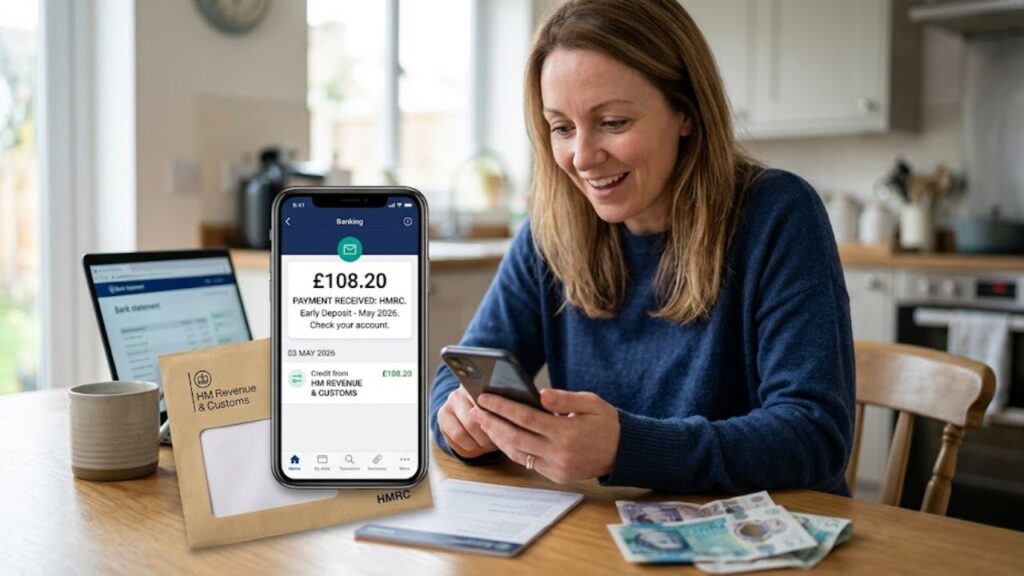
UK families who receive Child Benefit will get their payments early next month because both May bank holidays happen on Mondays.
HM Revenue and Customs confirmed that payments due on May 4 will be made on May 1 instead. Payments scheduled for May 25 will arrive on May 24.
HMRC follows a regular procedure of shifting benefit payments to the closest working day whenever they land on a bank holiday.

]The tax authority explained that Child Benefit typically arrives every four weeks on either Monday or Tuesday. However the payment schedule changes when bank holidays occur during the usual payment period.
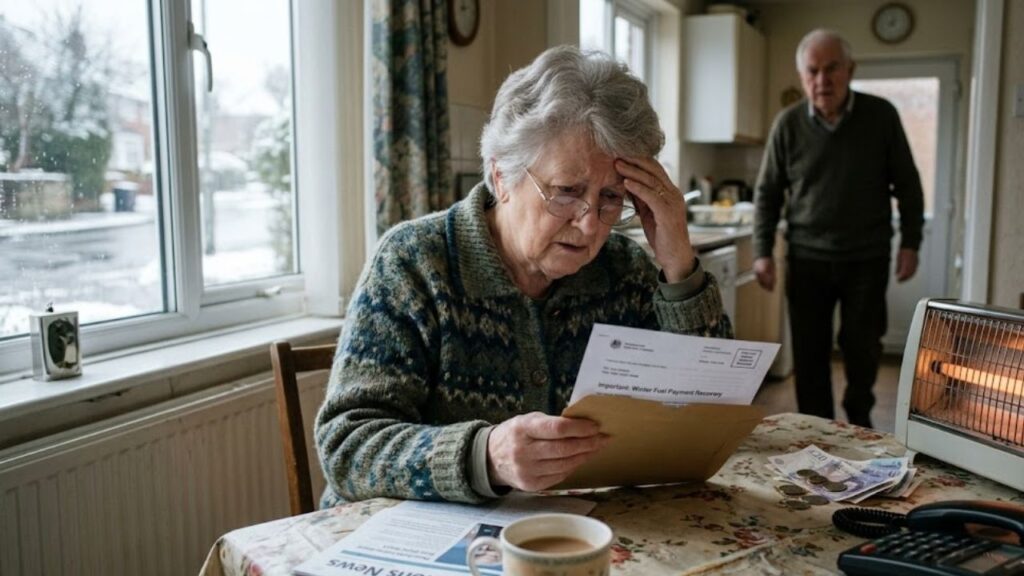
 Winter Fuel Payment Warning 2026: Pensioners Urged to Stay Alert as Recovery Process Begins
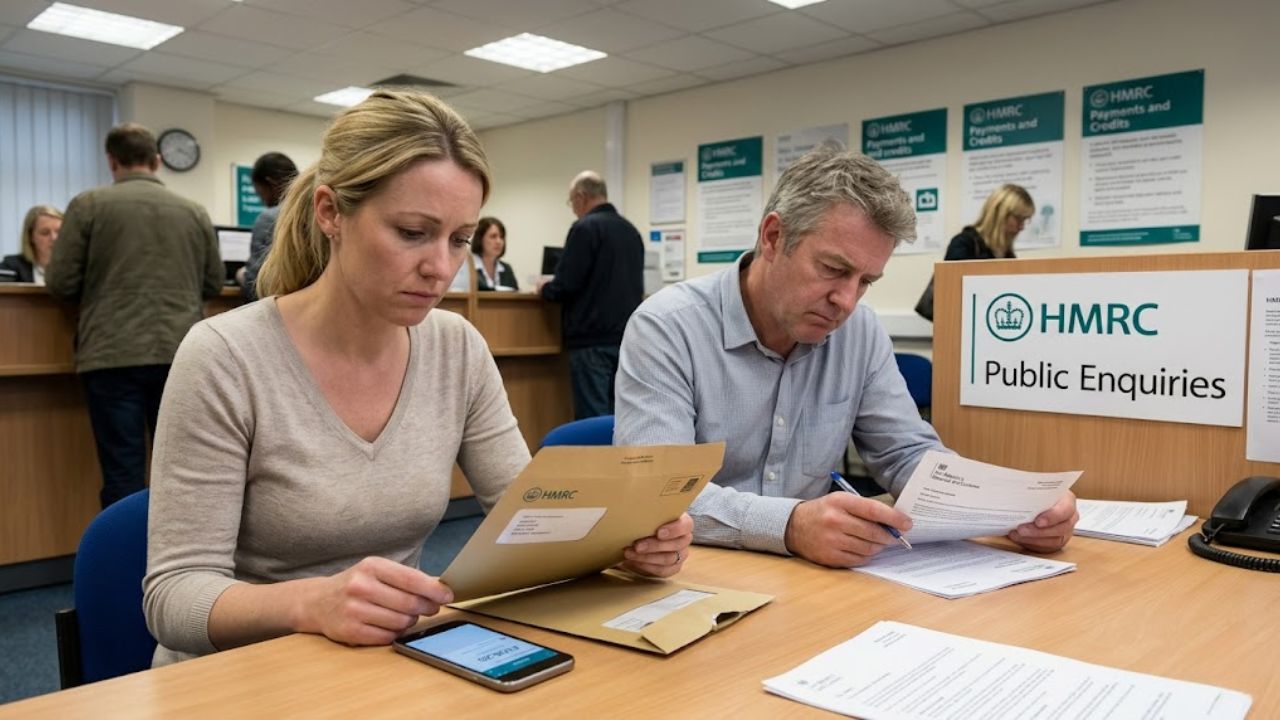
Claimants should contact their bank if payments seem to be running late.
Child Benefit is available to parents and guardians who look after children under 16 or under 20 if the child is still in approved education or training.
Payments usually arrive every four weeks. Recipients can work out their next payment date by counting four weeks from the last payment unless that payment was shifted due to a bank holiday.
Families are now getting larger payments this month because new rates have started for the 2026-27 tax year.
The weekly payment for the eldest or only child has gone up from £26.05 to £27.05 and the rate for extra children has increased from £17.25 to £17.90.
When calculated over a four-week period this means £108.20 each month for one child compared to the previous £104.20 and £71.60 each month for every extra child compared to the previous £69.
The increase matches the 3.8 percent Consumer Prices Index figure from September 2025.

Chief Secretary to the Treasury James Murray said the Government must review Child Benefit rates each year to match inflation.
He announced an increase in child benefit rates matching the consumer prices index for the year to September 2025 at 3.8 per cent. He also confirmed that Guardian’s Allowance has risen from £22.10 to £22.95 per week.
The changes started on April 6 when the new tax year began.
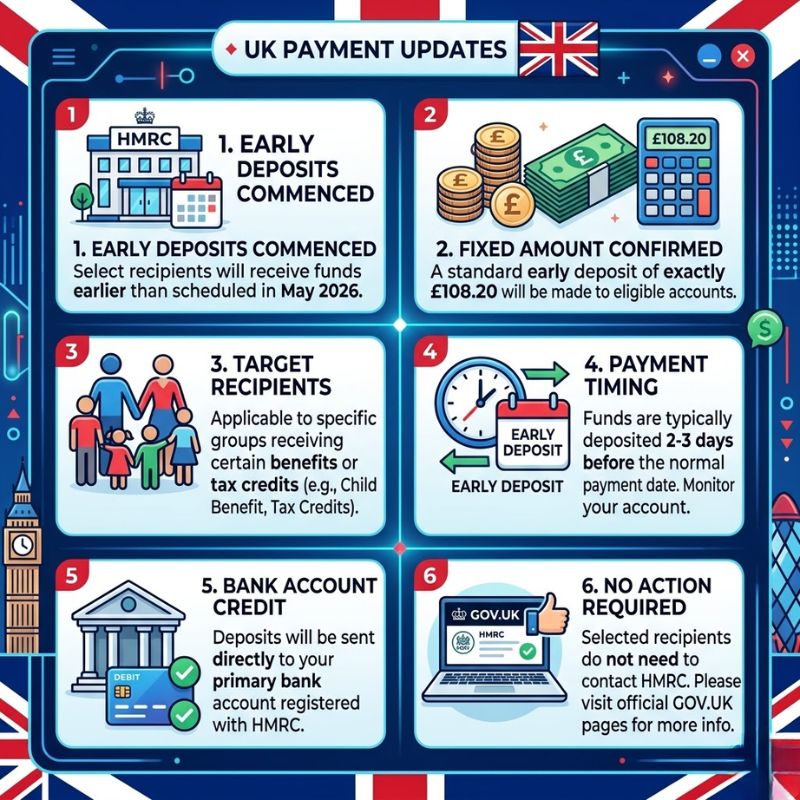
Child Benefit gives automatic National Insurance credits to parents of children under 12. This helps protect their State Pension record during years when they are not working or earning low wages.
Parents can transfer these credits to a partner or family member who looks after the children if the main carer does not need them.
Families may see their entitlement change when their circumstances change. This includes situations like separation or when households combine. The higher rate always goes to the eldest child in the home.
Households with higher earners may face the High Income Child Benefit Charge. This can reduce or remove the value of payments but families can still claim to keep the pension credits.
Claimants can get payments weekly if they are a single parent or receive certain other benefits.

Payments can only go to one bank account and some account types cannot be used. A child’s National Insurance number gets issued automatically when Child Benefit is claimed so families do not need to apply separately.